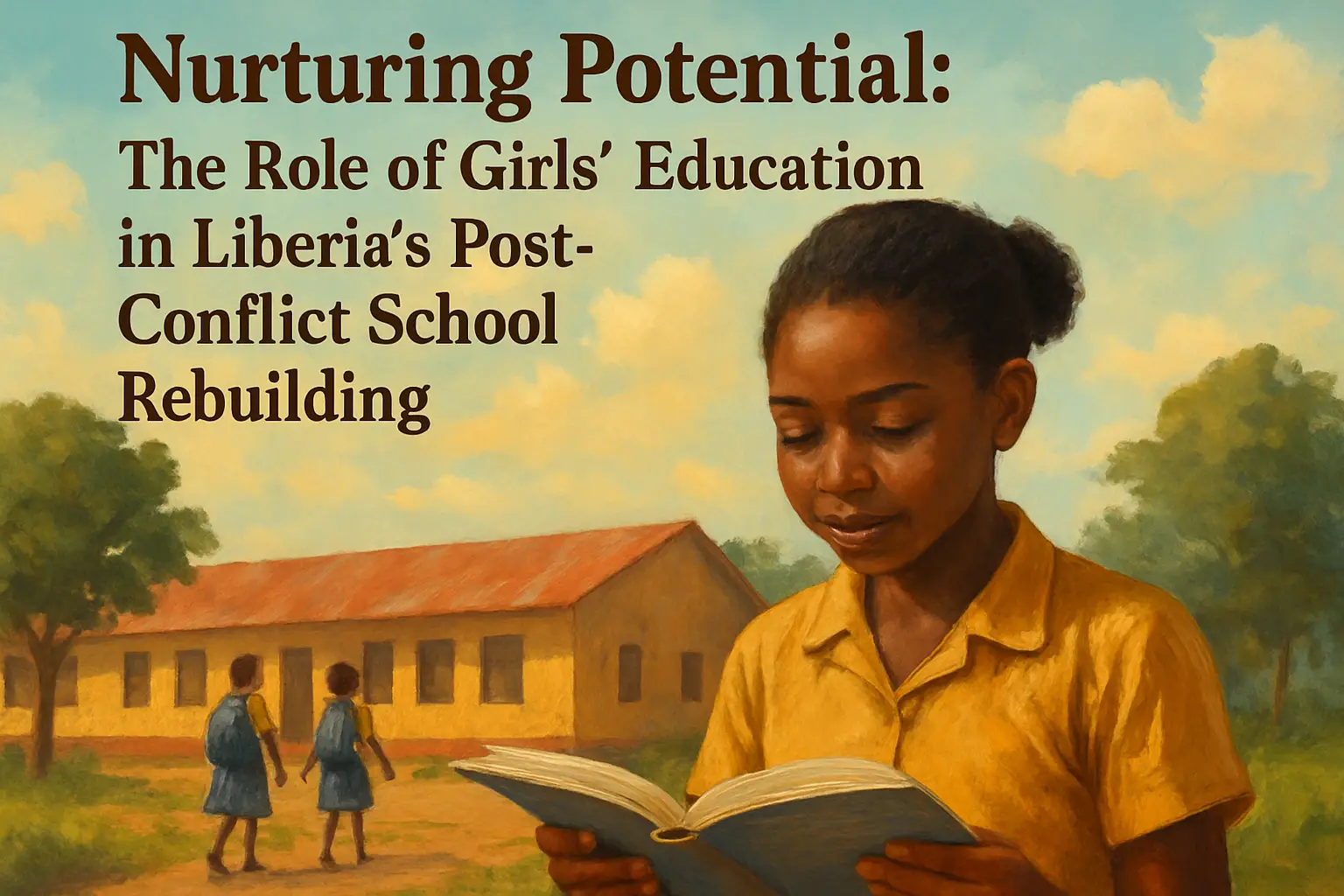
Nurturing Potential: The Role of Girls’ Education in Liberia’s Post-Conflict School Rebuilding
In the aftermath of a devastating civil war that left the infrastructure of Liberia in shambles, the restoration of educational systems is paramount for the nation’s future. Girls’ education is especially crucial, as empowering young women can lead to transformative changes within communities and societies as a whole. This article explores how girls’ education plays a pivotal role in rebuilding Liberia’s educational landscape while nurturing the potential of a generation.
The Importance of Education in Post-Conflict Liberia
Education stands as a fundamental pillar for recovery and development in post-conflict societies. In Liberia, where decades of war disrupted schooling for countless children, resuming education is not merely about restoring classrooms—it is about fostering hope, stability, and growth. Here’s why education, particularly for girls, is essential in this context:
- Empowerment: Education empowers girls, leading to increased self-reliance and independence.
- Economic Growth: Educated women contribute significantly to the economy, paving the way for sustainable development.
- Community Health: Women with education are more likely to make informed health decisions, resulting in healthier families and communities.
- Breaking the Cycle of Poverty: Girls’ education can interrupt cycles of poverty, providing families with better opportunities.
Challenges Faced by Girls in Accessing Education
Despite the clear benefits of educating girls, multiple barriers still hinder their access to education in Liberia. Some of the most pressing challenges include:
- Cultural Barriers: Traditional beliefs may prioritize boys’ education over girls’, leading to lower enrollment rates.
- Economic Barriers: Many families face financial constraints, making it difficult to support schooling for all their children, especially girls.
- Infrastructural Deficiencies: The lack of safe and adequate school facilities disproportionately affects girls, who may also face harassment on the way to and from school.
- Health Issues: Early pregnancies and health complications can prevent girls from continuing their education.
Success Stories: Initiatives Supporting Girls’ Education
Despite the challenges, numerous initiatives and programs are successfully addressing the educational needs of girls in Liberia. These interventions demonstrate the commitment to rebuilding the education system and nurturing the potential of young women:
- NGO Efforts: Organizations such as Plan International, UNICEF, and local NGOs have initiated programs focused on increasing female enrollment and retention in schools.
- Scholarship Programs: Scholarships and financial aid specifically for girls are being introduced to alleviate economic barriers.
- Community Engagement: Programs that involve community leaders to advocate for girls’ education have seen positive results in changing cultural perceptions.
- Safe Spaces: Establishing safe learning environments that protect girls from harassment and violence is crucial for encouraging attendance.
The Path Forward: Strategies for Enhancing Girls’ Education
Looking ahead, it is essential to implement comprehensive strategies that ensure the success and sustainability of girls’ education in Liberia. Here are some key strategies that can help:
- Policy Reform: Advocate for policies that promote gender equality in education and provide sufficient funding for girls’ schools.
- Teacher Training: Investing in training programs for teachers on gender sensitivity can create a more inclusive environment for girls.
- Community Awareness Campaigns: Launching awareness campaigns to highlight the benefits of girls’ education can shift societal attitudes.
- Partnerships: Collaborating with local and international organizations can leverage resources and knowledge for effective education programs.
Conclusion
Girls’ education is not just a goal but a catalyst for national rebuilding and development in post-conflict Liberia. By investing in the education of young women, Liberia can cultivate a generation of empowered leaders who contribute to economic growth, health advancements, and social stability. The journey may be fraught with challenges, but the potential rewards of nurturing the capabilities of girls are immense, promising a brighter future for all Liberians.