Building Resilience: How School Rebuilding Initiatives are Transforming Education in Liberia
Hey there! So, let’s chat about something pretty amazing happening in Liberia right now. You might have heard about the challenges the country has faced over the years—civil wars, health crises, and let’s not forget the education system taking some serious hits. But here’s the silver lining: school rebuilding initiatives are stepping up, and they are changing the game for students and teachers alike. Seriously, grab a cup of coffee, and let’s dive into how these initiatives are building resilience in education.
What’s the Big Deal About Rebuilding Schools?
Honestly, I wish someone had told me sooner just how vital a good school environment is for learning. When schools are crumbling, it’s not just about bricks and mortar; it’s about the futures of the kids who walk through those doors every day. Here’s the thing—when you have a safe and supportive learning space, it makes a world of difference. It’s not just about the education; it’s about hope.
- Increased Enrollment: Rebuilding schools in Liberia has led to a spike in student enrollment rates. Kids who once walked miles for a decent education are now eager to attend local schools.
- Improved Learning Conditions: New classrooms mean better lighting, fewer distractions, and a more engaging environment.
- Community Engagement: These initiatives aren’t just about schools; they’re about the community coming together. Families feel more involved, which encourages kids to stay in school.
And can I just say, seeing kids excited about learning again? It’s heartwarming. I mean, remember that feeling of walking into a bright, inviting classroom? It’s magical, right?
How Are Organizations Getting Involved?
Okay, so here’s the scoop. Various NGOs, local governments, and international organizations have been rolling up their sleeves and diving into school rebuilding projects. No joke, they’re really putting their money where their mouth is! And trust me, it’s not just about construction; it’s about creating holistic educational environments.
- Funding and Resources: Organizations like UNICEF and Save the Children are pouring funds into construction projects, teacher training, and educational materials. It’s not just about walls; it’s about making education accessible.
- Capacity Building: These initiatives focus on training teachers, so they can create engaging and effective lessons. Let’s face it, a well-trained teacher can make a huge difference.
- Infrastructure Support: From clean water access to electricity, rebuilding initiatives consider all aspects of a school’s environment, making them hubs of learning rather than just buildings.
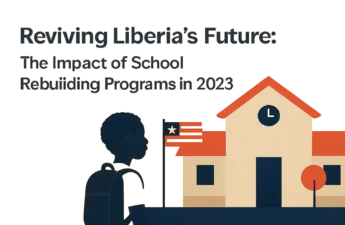
It’s honestly impressive how much is being done. Seeing the community come together to support education is a powerful reminder of what we can achieve when we work together. For further insights, you might want to read about Reviving Liberia’s Future: The Impact of School Rebuilding Programs in 2023, which highlights the ongoing efforts and their effects on the local communities.
Real Stories, Real Impact
Let’s get real for a second. I once met a teacher who had just begun working at a newly rebuilt school in Monrovia. She shared how her students were thriving in a way she had never seen before. Not only were they eager to learn, but they also started helping each other more. Imagine that! Kids collaborating and supporting one another in their learning journey. It sounds like something out of a feel-good movie.
- Student Empowerment: Students are taking ownership of their education. They’re not just passive learners anymore; they’re seeking out knowledge and opportunities.
- Community Role Models: As schools rebuild, teachers become role models for their communities, sparking a greater interest in education throughout families.
One kid even told her teacher that she wanted to be a doctor one day—a dream that felt possible because of the support she received in her new school. Can you imagine the joy a teacher must feel when a student shares a dream like that?
Looking to the Future
So, what does all this mean for the future of education in Liberia? I think the sky’s the limit! Sure, there are challenges ahead, but rebuilding schools is a massive step toward resilience. The combination of better facilities, trained educators, and community involvement lays a strong foundation for future generations.
- Long-term Benefits: Improved education leads to higher literacy rates, better job prospects, and healthier communities. It’s like a ripple effect of positivity!
- Inspiring Innovation: With better education, young minds will innovate and create solutions for their country’s challenges.
- Global Connections: As Liberia’s education system strengthens, it opens doors to international collaborations, exchange programs, and more!
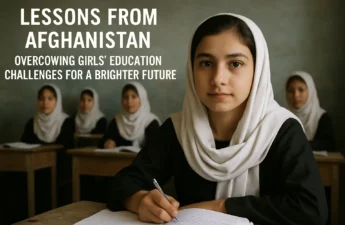
And honestly, I can’t wait to see how these initiatives evolve. It’s thrilling to think about the impact they’ll have for years to come. For those interested in global perspectives, Lessons from Afghanistan: Overcoming Girls’ Education Challenges for a Brighter Future offers valuable insights that resonate with Liberia’s journey.
In Conclusion
To wrap it all up, building resilience through school rebuilding initiatives in Liberia is about so much more than just fixing roofs and painting walls. It’s about creating hope, dreams, and futures for children who deserve the best education possible. If you’ve ever felt like a small act could create a ripple effect, then take a moment to appreciate how far the rebuilding efforts have come in Liberia. There’s real power in education, and these initiatives are harnessing that power.
So, what do you think? How can we support such incredible transformations in education worldwide? Let’s keep the conversation going!