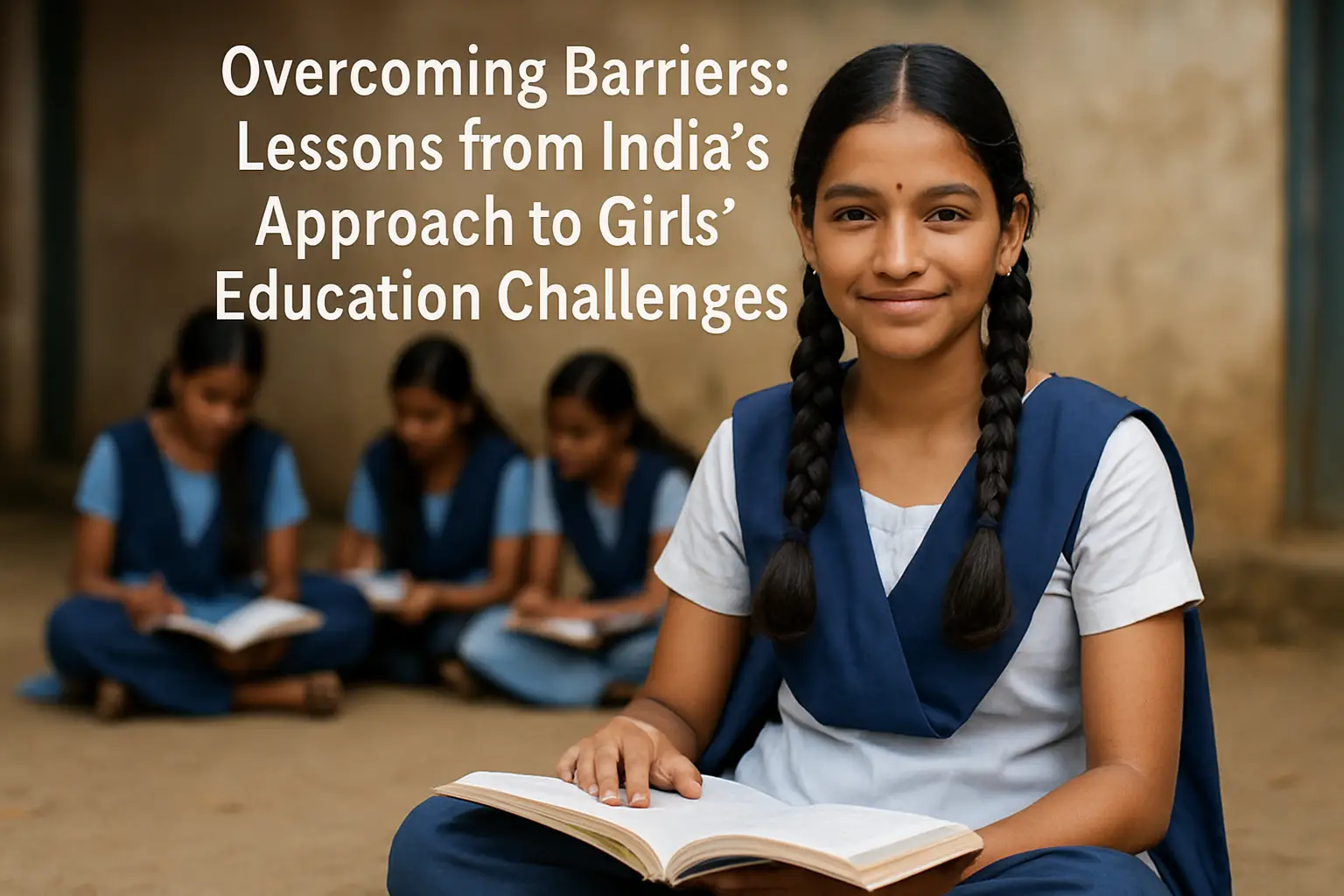
Overcoming Barriers: Lessons from India’s Approach to Girls’ Education Challenges
Hey there! So, let’s talk about something super important today—girls’ education. It’s a topic that often gets overshadowed in the giant umbrella of educational aid, but trust me, it’s worthy of our attention. I mean, who doesn’t want to champion the cause of young girls getting the quality education they deserve? Grab a cup of coffee, and let’s dive into some of the lessons we can learn from India’s approach to tackling educational barriers for girls.
The Reality Check: Why Girls’ Education Matters
First, let’s set the stage. If you think education is vital for everyone (and I hope you do), imagine how much more critical it becomes for girls in many parts of the world. In India, the statistics are staggering. Did you know that millions of girls are still out of school? No joke, it’s a harsh reality. Here’s why this matters:
- Economic Empowerment: Educating girls leads to economic growth. Seriously, when girls learn, entire communities thrive.
- Health Improvements: Educated women tend to make better health choices, including family planning—talk about a ripple effect!
- Breaking the Cycle: Education helps break cycles of poverty. When a girl gets educated, she’s more likely to educate her children.
Honestly, I wish someone had told me this sooner; it just seems so clear now. Education isn’t just about reading and writing; it’s about empowerment, wellness, and progress.
Barriers, Barriers Everywhere: What Are They?
Here’s the thing: while the benefits of girls’ education are crystal clear, the barriers are just as prominent. In India, various factors prevent girls from accessing education, and they can range from cultural norms to economic hardships. Let’s break it down:
- Cultural Norms: In some communities, there’s a belief that girls should stay home and help with household chores rather than attend school.
- Safety and Security: Concerns over safety can deter families from sending their daughters to school. Can you blame them? It’s a tough call.
- Financial Constraints: School fees, uniforms, and supplies can pile up, making education seem like a luxury—when it should be a right!
- Lack of Infrastructure: Many areas still lack adequate schools or facilities for girls. It’s like, what are we doing here?
But hey, don’t lose hope yet! As daunting as these barriers seem, India has been rolling up its sleeves and tackling them head-on. For instance, initiatives like those discussed in Building Bridges: Collaborations Between Liberia and India to Enhance Girls’ Education and School Reconstruction showcase how partnerships can help overcome these challenges.
Innovative Solutions: What’s Working in India?
Alright, let’s talk solutions. The cool part is that India has been piloting some innovative programs aimed at dismantling these barriers. I mean, if we can learn from what’s working, we’re already halfway there. Here are a few standout initiatives:
- Conditional Cash Transfers: Some states in India offer cash incentives to families for sending their daughters to school. It’s like saying, “Hey, here’s a little something to help you make the right choice!”
- Community Awareness Programs: Engaging local leaders and families through awareness campaigns helps change mindsets. It’s about getting everyone on the same page.
- Girl-Friendly Schools: Some schools are being designed specifically to cater to girls’ needs—everything from safe transportation to female teachers can make a difference.
- Digital Learning: With the rise of technology, online education programs are making learning accessible to girls in remote areas. Honestly, technology can be a game-changer here!
It’s inspiring, isn’t it? These initiatives not only address immediate barriers but also foster a culture of education that benefits everyone. As we explore these solutions, we can also reflect on the insights from Transformative Journeys: The Role of Girls’ Education in Shaping Liberia’s Future Amidst School Rebuilding, which highlights the importance of education in broader societal transformation.
Let’s Take a Page from India’s Playbook
So, what can we do with all this knowledge? I think a big takeaway is that we need to be adaptable and open-minded in our approaches to educational challenges. Here are some thoughts on how we can apply these lessons:
- Listen to Local Voices: Engaging communities and understanding their unique challenges can lead to tailored solutions. No cookie-cutter answers here!
- Build Partnerships: Collaboration between governments, NGOs, and local communities can amplify efforts. Together, we can do more!
- Focus on Sustainability: Solutions should aim for the long-term. Quick fixes are great, but real change takes time and effort.
Here’s a rhetorical question for you: wouldn’t it be amazing if we could apply these learnings worldwide? I mean, why stop at one region?
Conclusion: The Road Ahead
As we wrap up, I want to leave you with this: overcoming barriers to girls’ education isn’t just a noble cause; it’s a necessity for our collective future. India’s journey provides valuable lessons that can guide us as we move forward. Let’s keep advocating, learning, and getting involved because every girl deserves the chance to dream big and achieve more. Remember, change starts with us. Let’s be part of the solution!