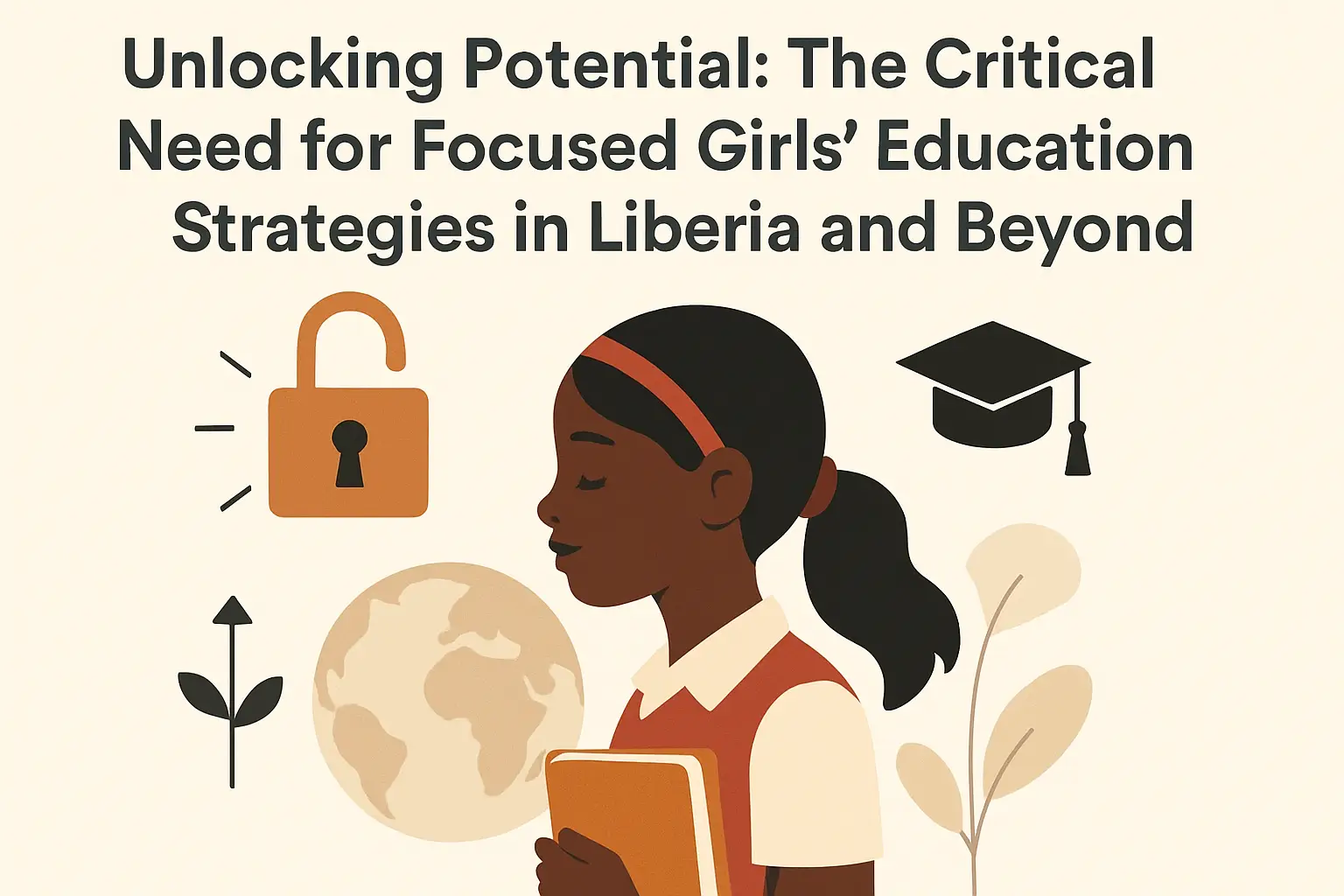
Unlocking Potential: The Critical Need for Focused Girls’ Education Strategies in Liberia and Beyond
Hey, friend! Let’s grab a cup of coffee and dive into something that’s been on my mind lately: girls’ education. In many parts of the world, especially in Liberia, girls are still facing huge hurdles when it comes to education. And honestly? It shouldn’t be this way. But it is. So, what can we do about it? Let’s explore some focused strategies that can help unlock the potential of girls everywhere.
The Current Landscape of Girls’ Education in Liberia
Here’s the thing. The numbers are sobering. According to various reports, girls in Liberia are often the last to get access to education, which is pretty wild when you think about it. I mean, if you or I were told we couldn’t go to school just because of our gender, wouldn’t we be furious? Let’s break down what’s actually going on:
- High Dropout Rates: Many girls drop out of school due to financial constraints, early marriages, and societal pressures. It’s heartbreaking.
- Lack of Resources: Schools often lack basic facilities—think classrooms, books, and even teachers who are trained to teach girls.
- Cultural Barriers: Sometimes, cultural expectations can make education feel like a luxury rather than a right. Seriously, who decided that?
We can’t just shake our heads and move on. These girls are the future leaders, innovators, and change-makers. So what gives? Let’s get into some strategies that could make a real difference.
Fostering Community Engagement
Community involvement is crucial. I remember chatting with a friend who works with NGOs in Liberia, and she shared this amazing story about how they brought parents into the conversation. By making local communities part of the education process, they saw a shift in attitudes toward girls’ education—it was like a light bulb went off!
- Workshops for Parents: Offering workshops that educate parents about the importance of girls’ education can change perspectives. Let’s be real; sometimes, people just need to understand what they’re missing out on.
- Community Role Models: Highlighting local women who have succeeded academically can inspire girls and their families. Who wouldn’t want to emulate a pioneer?
- Involvement in Decision-Making: Getting community leaders involved in school governance ensures that girls’ needs are prioritized. When they see the value, they’ll advocate for it.
I wish I could convey how big of a difference this makes. It’s not just about sending girls to school; it’s about fostering an environment where education is valued. Overcoming Barriers: Lessons from India’s Approach to Girls’ Education Challenges can provide valuable insights into how we can tackle these issues effectively.
Creating Safe and Supportive Learning Environments
Now, onto something even more crucial: creating safe learning spaces. I remember reading about a school in a rural area of Liberia that had to shut down because of safety concerns. Can you imagine? Girls being barred from pursuing their dreams due to fear? It’s unacceptable.
- Safe Spaces: Schools need to be safe havens, where girls can learn without fear of violence or harassment. This can be as simple as having well-trained staff who understand the issues.
- Support Networks: Mentorship programs can provide guidance and support, helping girls navigate challenges. Honestly, I think we all need a mentor at some point in our lives!
- Access to Health Services: Schools that provide health education, including reproductive health, empower girls to stay in school. Knowledge is power, right?
If we want to see real change, we have to commit to creating spaces that allow girls to thrive. It’s like planting a seed; with the right environment, it can blossom.
Leveraging Technology for Educational Access
Let’s talk tech! I mean, we’re in the digital age, right? So why not use technology to bridge the education gap? It’s not just about having the latest gadgets; it’s about making education accessible.
- Online Learning Platforms: Providing access to online resources can help girls learn at their own pace. Imagine being able to study math while sitting under a mango tree!
- Mobile Libraries: How cool would it be to send mobile libraries to remote villages? Imagine the excitement of opening a book for the first time!
- Training for Teachers: Training educators to use technology effectively can enhance the learning experience for girls. Seriously, tech-savvy teachers are the way to go.
Honestly, I think technology can be a game-changer. It can empower girls, giving them access to a world of information and opportunities they wouldn’t otherwise have. In fact, the lessons learned from The Global Perspective: How Girls’ Education Initiatives in India Can Inspire Liberia’s Development are a testament to this potential.
In Conclusion: A Call to Action
So here’s the crux of the matter: the need for focused girls’ education strategies is urgent. If we want to see change, we need to act. Whether it’s advocating for policies, supporting local initiatives, or simply spreading the word, every little bit helps. I genuinely believe that when we invest in girls’ education, we’re investing in a brighter future for everyone. And isn’t that what we all want?
Thanks for hanging out with me today! Let’s keep the conversation going about how we can support girls’ education in Liberia and beyond. After all, unlocking potential is a shared responsibility, and I’m all in. How about you?