Resilience in Education: The Role of Community Engagement in Liberia’s School Rebuilding Efforts
Hey there! So, let’s take a moment to chat about something that’s been on my mind lately—education in Liberia. You know, it’s easy to forget how many hurdles some communities face when it comes to getting quality education. I mean, we’re talking about a country that’s been through the wringer with civil wars and health crises. But let me tell you, there’s a silver lining in this story, and it has a lot to do with resilience and community engagement.
The Power of Community in Rebuilding Schools
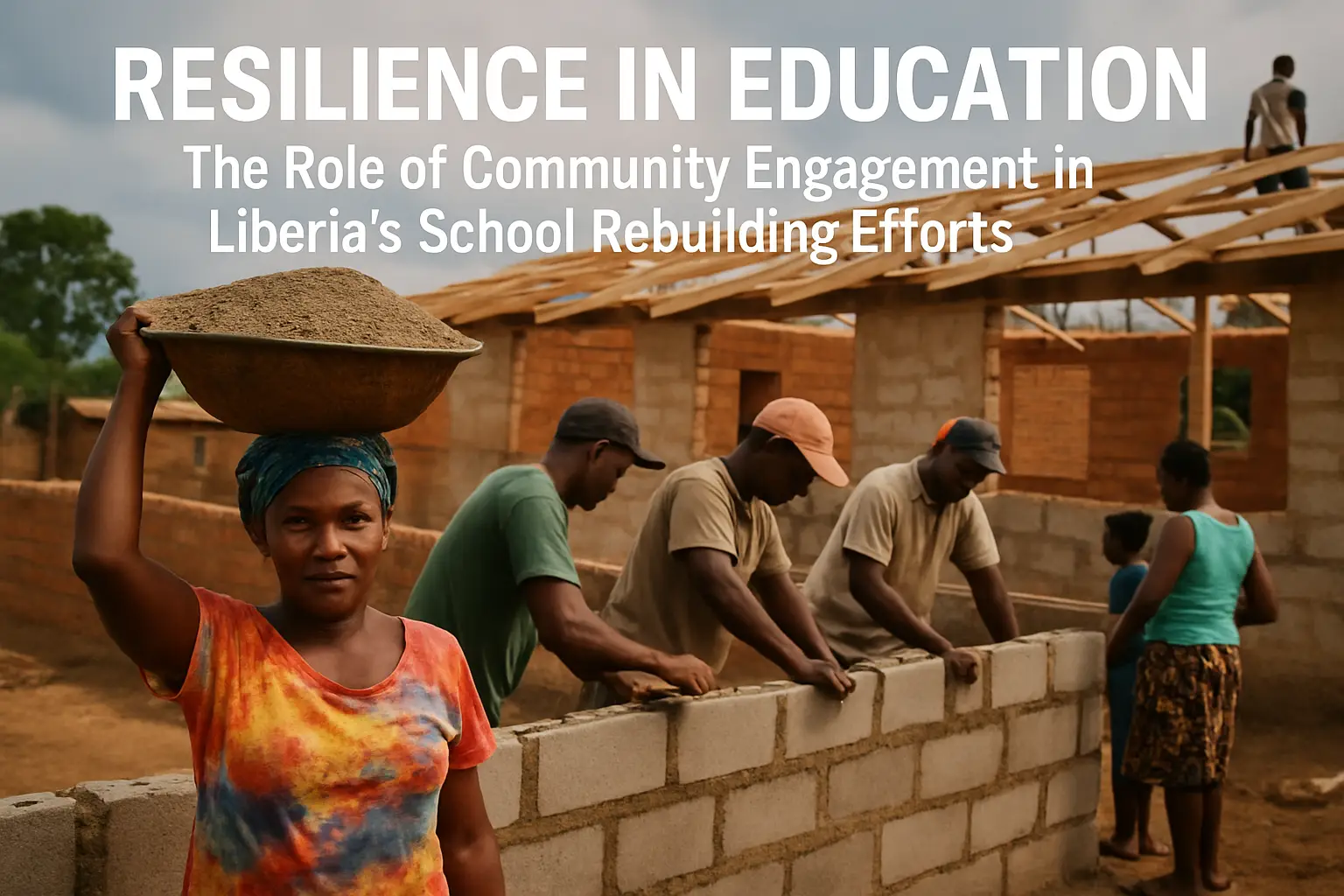
When we think about rebuilding schools, the first thing that often comes to mind is funding, right? But here’s the kicker—money alone doesn’t cut it. Seriously, when I was researching this topic, I stumbled upon some amazing initiatives that showed how communities are stepping up to fill in the gaps.
- Grassroots Movements: Local parents and educators are banding together to create initiatives that address their unique challenges. I remember chatting with a teacher in Monrovia who told me how parents started a weekend school program when their kids were falling behind.
- Community Resources: Churches, local businesses, and even local NGOs have been pivotal in providing resources. It’s like a mini-UN in each neighborhood, pooling together what they have to create a supportive environment.
- Volunteerism: I mean, who doesn’t love a good volunteer story? People are literally coming together to rebuild classrooms. You can’t help but feel a surge of hope when you hear about a group of young adults painting walls and tutoring kids after work. It’s inspiring!
Honestly, that’s where the magic happens. When the community rallies together, it creates a sense of ownership. Schools aren’t just buildings; they’re reflections of pride, dreams, and aspirations. And let’s be real, that’s what kids need—a sense of belonging. This is why understanding the foundations of change in school rebuilding is so crucial.
Engaging the Youth: A Fresh Perspective
Now, let’s talk about the youth. They’re not just the recipients of education; they can be active participants in these rebuilding efforts. It’s not something we always think about, but engaging young people can lead to some seriously innovative solutions.
- Peer Education: Young people teaching each other? Genius! I once attended a workshop where high schoolers were teaching elementary kids about hygiene and health. They related better than any adult ever could. No joke, I was blown away!
- Leadership Opportunities: Giving students roles in community projects helps them build confidence. Imagine a 15-year-old being responsible for leading a community clean-up! It’s like handing them the keys to the future.
- Tech Integration: With mobile tech becoming commonplace, young folks can use social media and apps to mobilize support for their schools. It’s like they’re using the tools of tomorrow to build their own futures today.
Here’s the thing—giving youth a voice in their education isn’t just empowering; it creates a ripple effect. When students feel valued, they invest more in their learning, and who knows, they might even inspire their parents to get involved.
Challenges We Can’t Ignore
Alright, I’ve been hyping up community engagement, but let’s not sugarcoat it—there are real challenges. Trust me, I’ve heard enough stories over coffee to get a sense of the struggle. So, what are we really up against?
- Resource Scarcity: Sure, communities are stepping up, but they often lack the basic resources. I mean, have you ever tried teaching without chalk? Yeah, not ideal.
- Limited Training: Many community volunteers are passionate but lack the necessary training. It’s like sending someone to bake a cake without a recipe. They’ll do their best, but it might not taste great!
- Government Support: Sometimes it feels like the government isn’t fully on board. There’s a disconnect between what communities need and what policymakers think they need. It’s frustrating!
But we can’t give up hope. Acknowledging these challenges is the first step toward finding solutions. If we rally together and keep the conversation alive, there’s no telling what we can achieve. As we look ahead, the 2025 Vision: Charting the Future of Liberia’s School Rebuilding Programme can guide us in addressing these issues effectively.
The Road Ahead: We’re in This Together
So, where do we go from here? I truly believe that with community engagement at the forefront, Liberia’s educational landscape can transform. It’s not just about rebuilding schools; it’s about rebuilding lives. It’s about creating a system where all stakeholders—parents, teachers, students, and local businesses—join hands to create a brighter future.
- Encourage Local Initiatives: Support local projects, no matter how small. You’d be surprised at how a little encouragement can go a long way.
- Become a Mentor: If you have the skills, volunteer your time to mentor teachers or students. Trust me, they will appreciate it!
- Share Stories: Let’s amplify the voices of those on the ground. Sharing success stories can inspire others to take action.
Let’s be real: change doesn’t happen overnight. But with perseverance and community spirit, I’m confident that Liberia can bounce back stronger than ever. So, what do you say? Are you ready to be part of the conversation?
In a world that often feels divided, education is one thing that can unite us. It’s our responsibility to foster resilience, one classroom at a time.