From Ruins to Classrooms: How Liberia Education Support is Transforming Lives
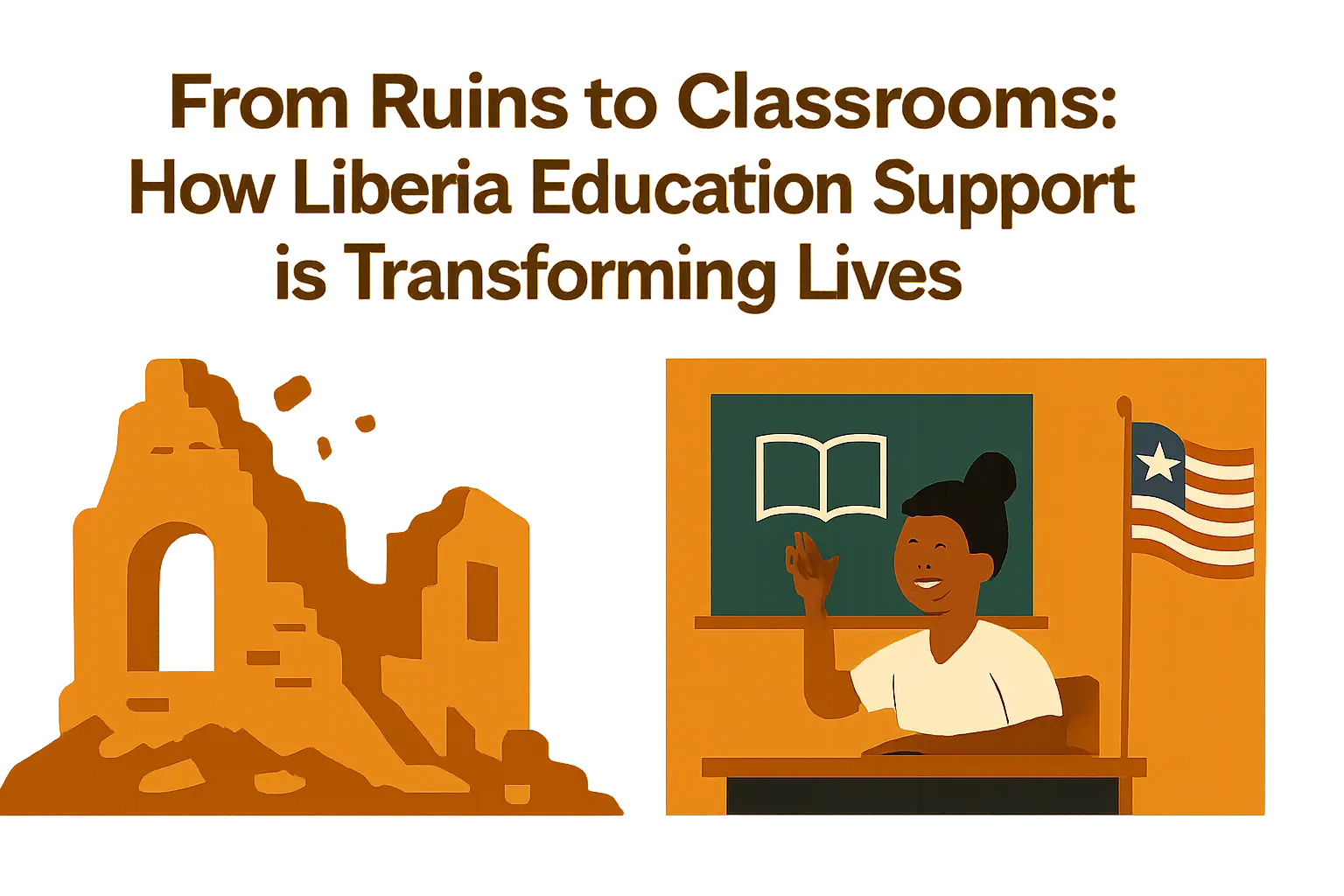
In a country once ravaged by civil war and economic decline, the journey towards educational reform in Liberia is a beacon of hope. The ruins of the past are slowly being replaced with vibrant classrooms filled with eager young minds. The initiatives aimed at revitalizing education in Liberia are not just about rebuilding structures—they are about transforming lives, offering opportunities for a brighter future, and nurturing the next generation of leaders.
The Historical Context of Education in Liberia
The roots of Liberia’s education system can be traced back to its founding in 1822 by freed American slaves. However, decades of civil unrest, political instability, and resource constraints have devastated the educational landscape. While the country has made strides towards recovery, the legacy of the past continues to impact the present.
- Only about 54% of children in Liberia complete primary school.
- Access to quality education remains a significant challenge, especially in rural areas.
- Many schools lack basic resources, trained teachers, and adequate infrastructure.
The urgent need for educational support became clear, igniting a movement that aims to rebuild schools and reshape the future of Liberia’s youth.
Current Initiatives Supporting Education in Liberia
Numerous organizations and government programs are at the forefront of transforming Liberia’s educational landscape. These initiatives focus on improving accessibility, quality, and inclusivity in education. Here are some notable efforts:
- Community-Based Schools: Programs aimed at establishing schools in remote areas have led to increased enrollment rates, particularly among girls, who have historically faced barriers to education.
- Teacher Training Programs: Investing in the professional development of teachers ensures that students receive quality instruction, fostering a positive learning environment.
- Resource Provision: Organizations are supplying schools with essential resources, including textbooks, technology, and school supplies, ensuring that students have the tools they need to succeed.
- Health and Nutrition Support: Initiatives that provide health check-ups and nutritious meals in schools help address barriers to attendance, promoting overall well-being.
Impact on Students and Communities
The transformation of Liberia’s educational system is not just a statistic; it is a lived reality for countless students and their families. The impact of these educational initiatives is profound:
- Increased Enrollment: Schools are witnessing a surge in student enrollment, with more children attending classes than ever before.
- Empowerment of Girls: With focused initiatives on girls’ education, families are beginning to recognize the value of educating daughters, leading to improved gender equality.
- Community Engagement: Schools have become centers of community life, fostering engagement and collaboration among parents, teachers, and local leaders.
- Hope for the Future: As students gain education and skills, they are better equipped to pursue careers and contribute to their communities, breaking the cycle of poverty.
Challenges Ahead: Ensuring Sustainable Progress
Despite the advancements, several challenges remain on the path to a fully revitalized educational system in Liberia. Addressing these challenges is crucial for ensuring sustainable progress:
- Infrastructure Development: Continued investment in school infrastructure is necessary, particularly in rural areas that remain underserved.
- Quality of Education: Ensuring a consistent and high-quality curriculum that meets international standards is vital for preparing students for global opportunities.
- Policy and Governance: Strengthening educational policies and governance structures will help sustain reforms and ensure that resources are allocated effectively.
- Community Involvement: Engaging communities in educational initiatives fosters ownership and accountability, ensuring that programs meet the needs of local populations.
Conclusion
The journey of transforming Liberia’s education system from ruins to classrooms is a testament to the resilience and determination of its people. With the support of local and international organizations, and a commitment to overcoming challenges, Liberia is on a path to reimagining its future through education. The ripple effect of these educational initiatives goes beyond classrooms; they offer hope, empowerment, and the promise of a brighter tomorrow for generations to come.