Bridging the Gap: Innovative Strategies for Supporting Girls’ Education in Liberia
In Liberia, where the echoes of civil conflict still resonate within educational systems, girls face unique challenges that hinder their access to quality education. Despite progress made since the end of the war, a staggering number of girls remain out of school due to cultural, economic, and infrastructural barriers. Bridging this gap is crucial, not only for the empowerment of girls but also for the overall development of the nation. Innovative strategies are essential to overcome these obstacles and ensure that every girl in Liberia has the opportunity to thrive through education.
Understanding the Barriers to Girls’ Education
To effectively support girls’ education in Liberia, it is vital to first understand the multifaceted barriers they face. These challenges include:
- Socio-Cultural Norms: Traditional beliefs often prioritize boys’ education over girls’, leading to early marriage and teenage pregnancies.
- Poverty: Economic constraints force families to choose between sending their children to school and meeting basic needs.
- Lack of Infrastructure: Many schools are poorly equipped or inaccessible, especially in rural areas.
- Health Issues: Girls often miss school during menstruation due to inadequate sanitation facilities.
Innovative Strategies to Enhance Girls’ Education
In response to these challenges, organizations, governments, and communities are adopting innovative strategies to support girls’ education in Liberia. Here are some effective approaches:
1. Community Engagement and Awareness Campaigns
Raising awareness about the importance of girls’ education is a critical first step. Community engagement initiatives can help change mindsets and promote supportive attitudes toward girls’ schooling.
- Conduct workshops and forums to educate parents and community leaders about the benefits of girls’ education.
- Utilize local media to share success stories of educated women in the community.
- Involve boys and men in advocacy efforts to foster a shared responsibility for education.
2. Financial Support and Incentives
Providing financial support can alleviate some of the economic barriers that families face. Strategies may include:
- Establishing scholarship programs specifically for girls.
- Offering conditional cash transfers to families who keep their daughters in school.
- Implementing school feeding programs to ensure that students have at least one nutritious meal a day.
3. Improving School Infrastructure and Resources
For girls to attend school, the learning environment must be safe and conducive. Investments in infrastructure can make a significant difference:
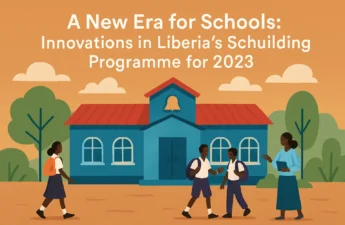
- Building and renovating schools, particularly in rural areas, to make them more accessible.
- Ensuring that schools are equipped with proper sanitation facilities, including private restrooms for girls.
- Providing learning materials and resources that are relevant and engaging for girls.
4. Leveraging Technology in Education
Technology has the potential to transform education in Liberia. By integrating digital tools into the learning process, we can reach more girls and enhance their educational experience:
- Utilizing mobile learning platforms that can be accessed from remote areas, allowing girls to learn at their own pace.
- Offering online tutoring and mentorship programs to provide extra support outside of the classroom.
- Encouraging the use of educational apps that foster critical thinking and problem-solving skills.
Implementing Holistic Support Systems
It’s essential to recognize that supporting girls’ education goes beyond merely addressing barriers to access. A holistic approach encompasses social, emotional, and physical well-being:
- Implement mentorship programs that connect girls with female role models.
- Offer counseling services in schools to support girls facing mental health challenges.
- Provide health education that includes reproductive health and hygiene management.
Conclusion
The journey toward achieving gender equity in education in Liberia is fraught with challenges, but innovative strategies can pave the way for meaningful change. By addressing socio-cultural barriers, providing financial support, improving infrastructure, leveraging technology, and implementing holistic support systems, we can help ensure that every girl has the opportunity to learn, grow, and succeed. Investing in girls’ education not only transforms individual lives but also propels the nation towards a brighter, more equitable future.